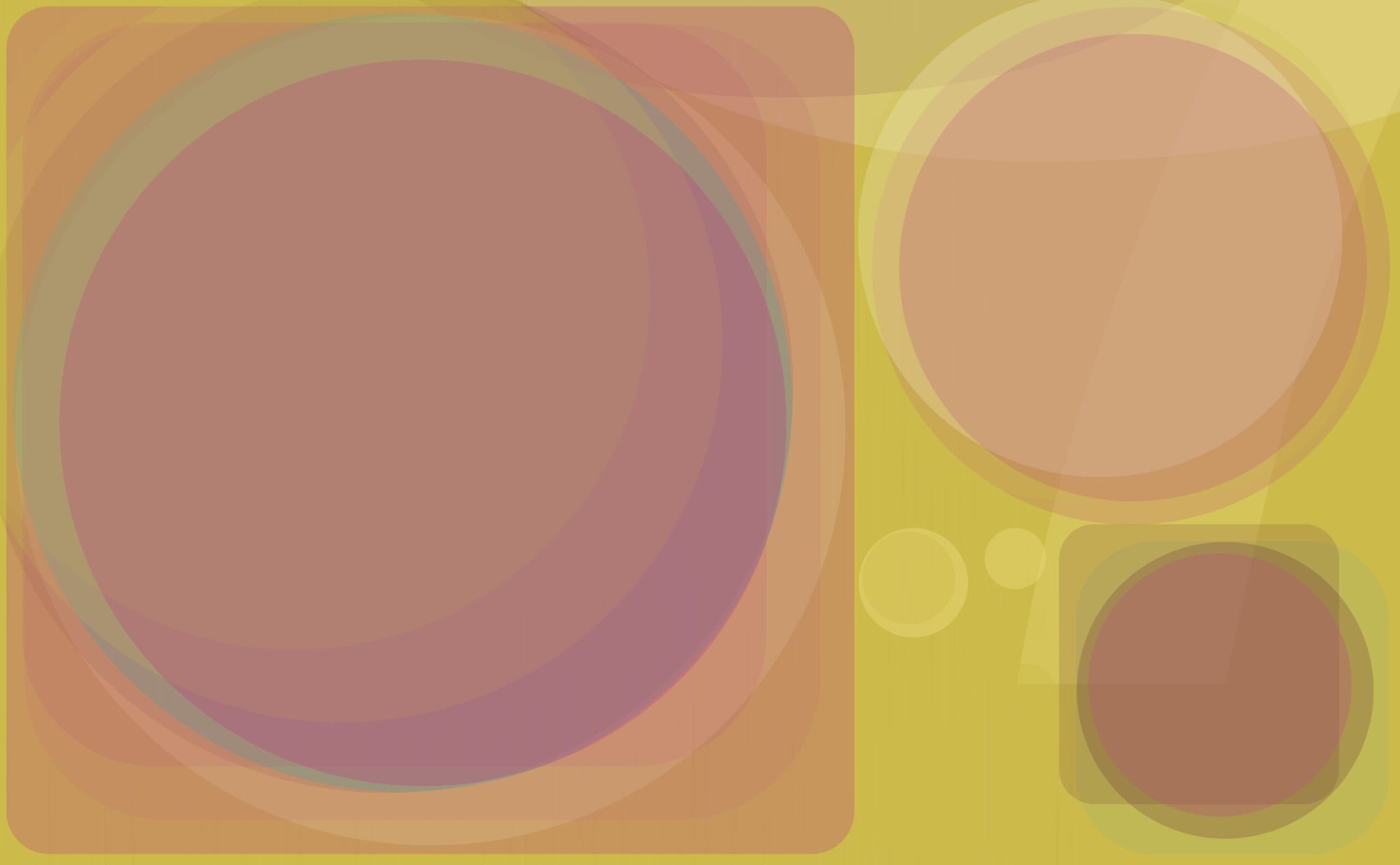
built on repeating primitives within the golden ratio; a study of color, randomness, and structure
errare is a long-form generative algorithm built on repeating primitives - intentionally minimalistic, with an emphasis on color and color field analysis. At its core, concentric primitives lie within the golden ratio and culminate in a study of mathematical beauty. errare explores the dichotomy between randomness and structure; it believes beauty lies somewhere in the middle.
Minted 11.11.22 as errare i.i.xxi, and now collected on objkt. The early 1/1 mints from the system's formative versions are collected as errare 0.1.16.
In errare, color is queen. The palettes draw inspiration from the abstract expressionist paintings of the 50s and 60s - Rothko, Mitchell, Krasner, de Kooning, Kline, Hofmann, and Reinhardt all lend their brilliance to errare's color makeup.
errare humanum est
"Errare humanum est." To err is human.
- probably, maybe, Seneca
Why errare? To err is human, and this first long-form series is anything if not human. The code behind errare occasionally strays from standards and best practices, but it is mine, and beautiful in its imperfection. The journey of creating and coding errare, though often challenging, has been rewarding and fulfilling in more ways than I would have anticipated. I hope you enjoy it.
structure
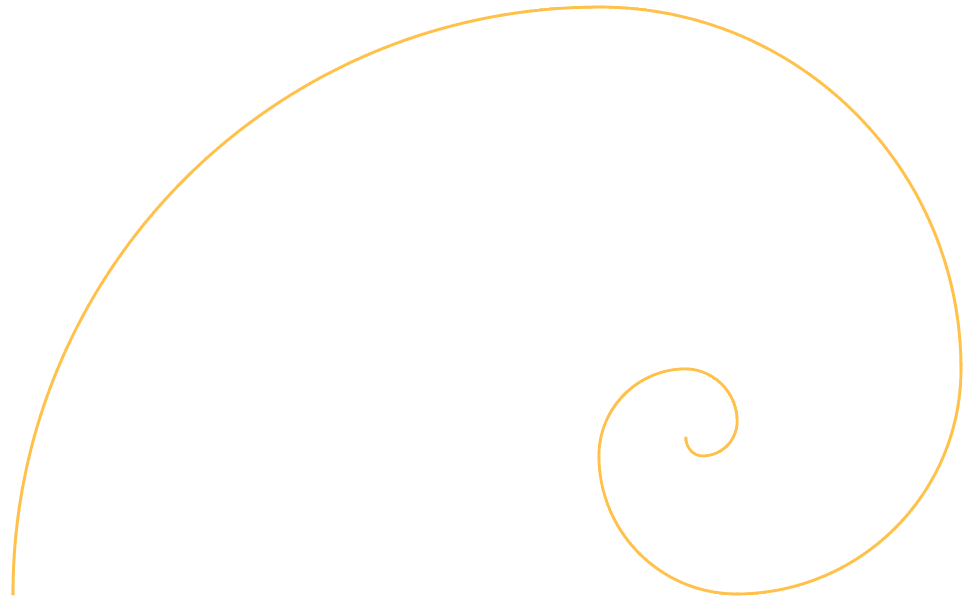
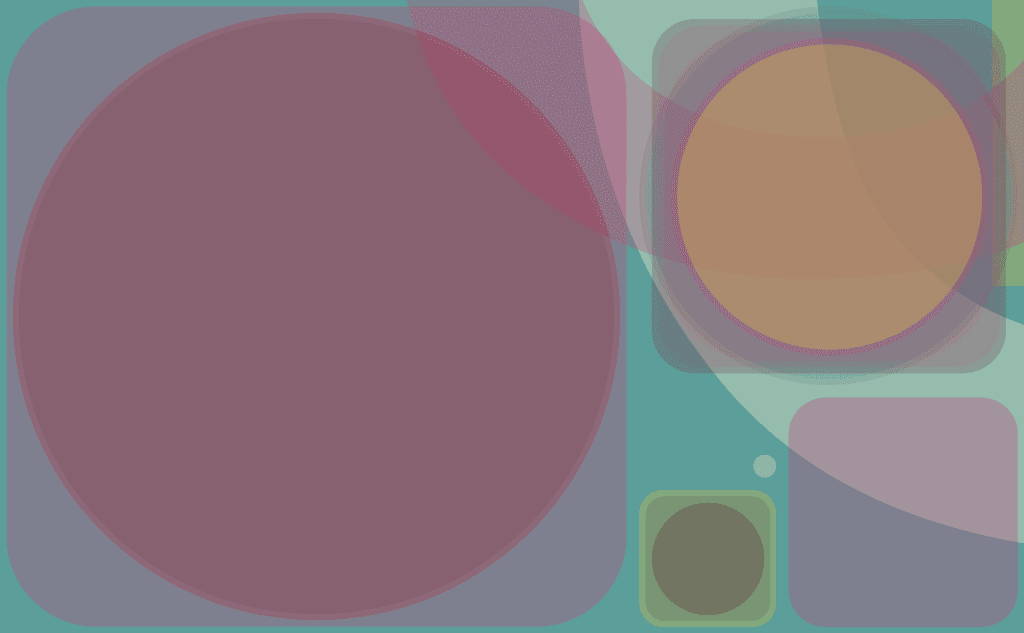
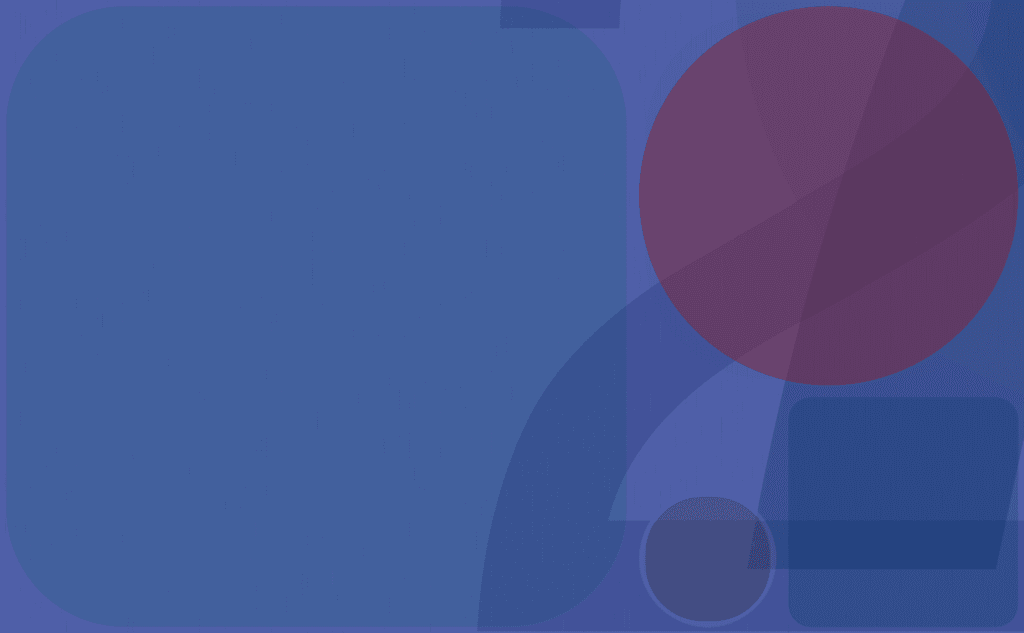
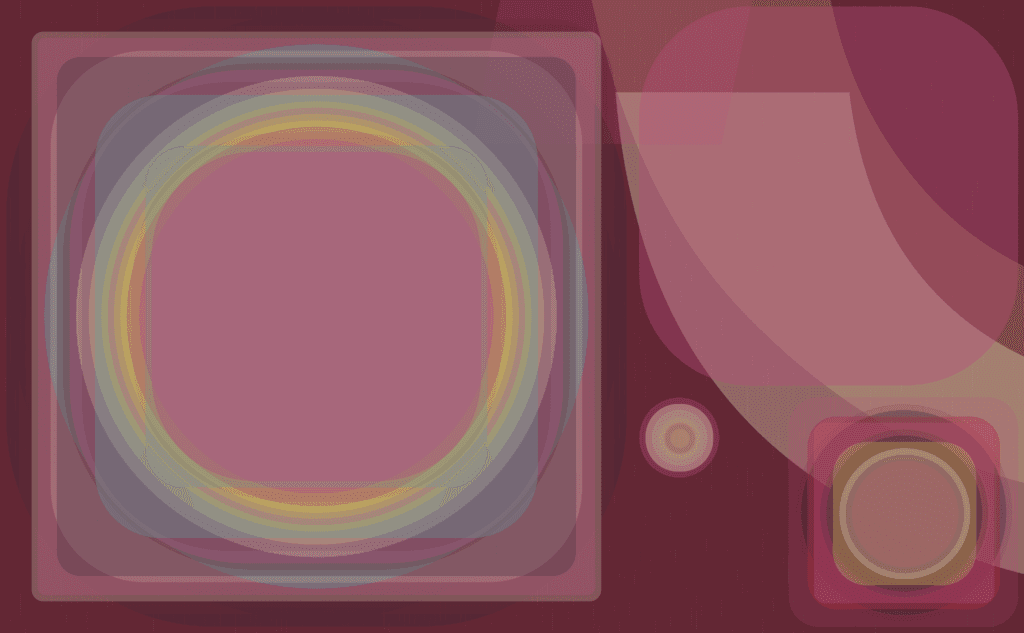
The algorithm begins with eight primitives that provide the underlying structure, each carefully placed to align with the golden ratio. Randomness determines the number of primitives, their color, outline, opacity, size, placement, and transparency - unpredictability within constraints. The Fibonacci sequence runs through every aspect of errare, from primitive placement to randomness and beyond.
color
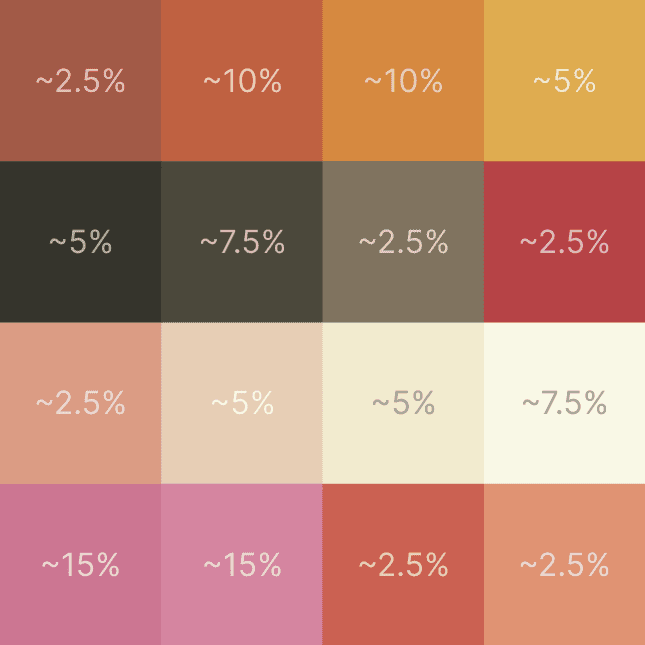
Eight probabilistic color palettes, each a set of carefully selected colors with weighted selection probabilities, fine-tuned over months of iteration. A favorite: a homage to Mark Rothko's White Center (1950), sixteen colors weighted for harmony, locked in only after examining hundreds, if not thousands, of outputs.
light
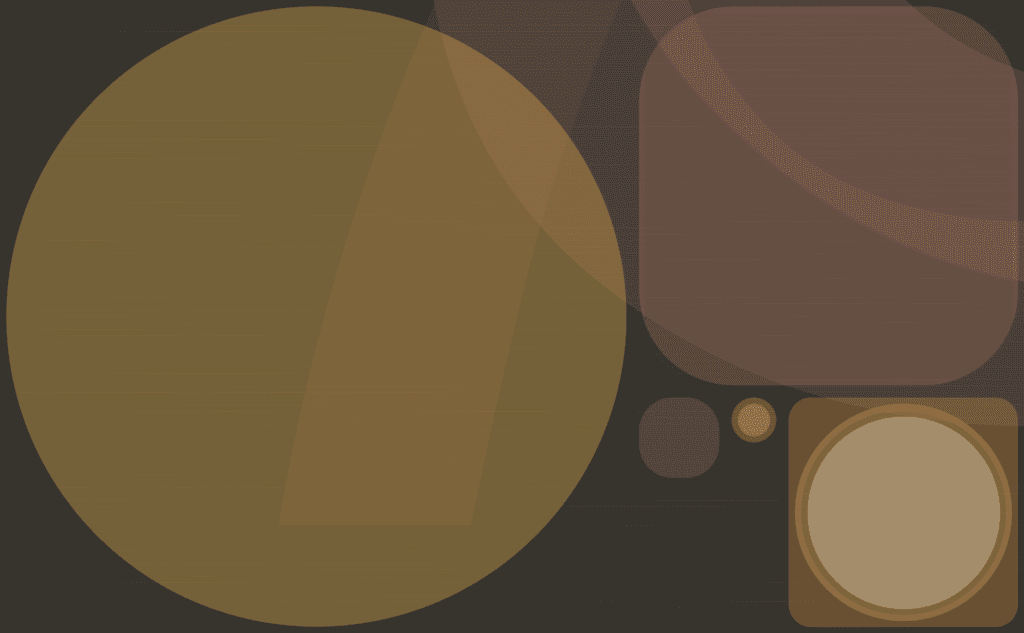
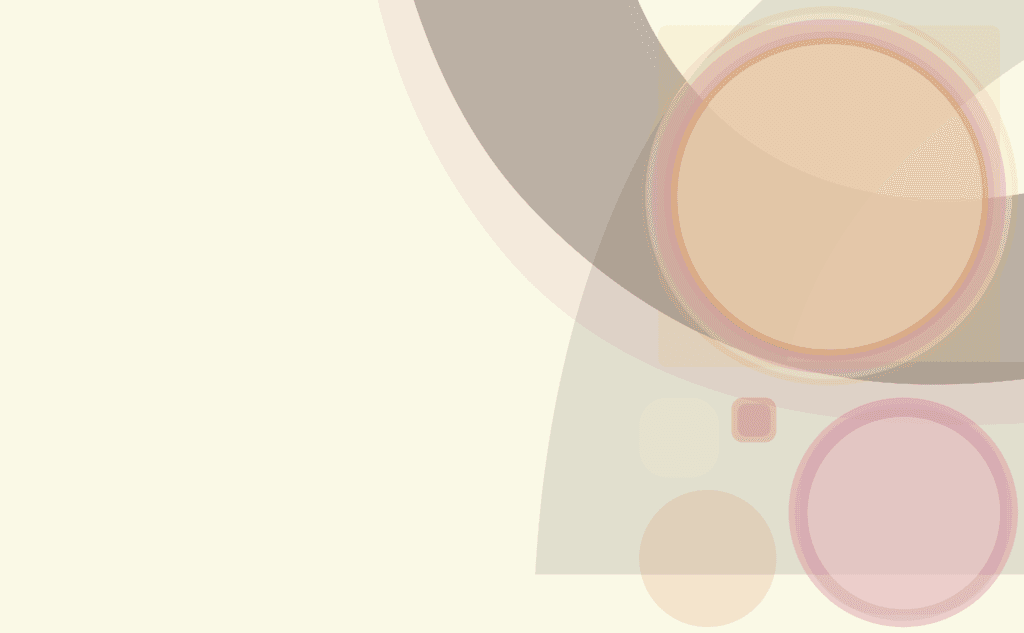
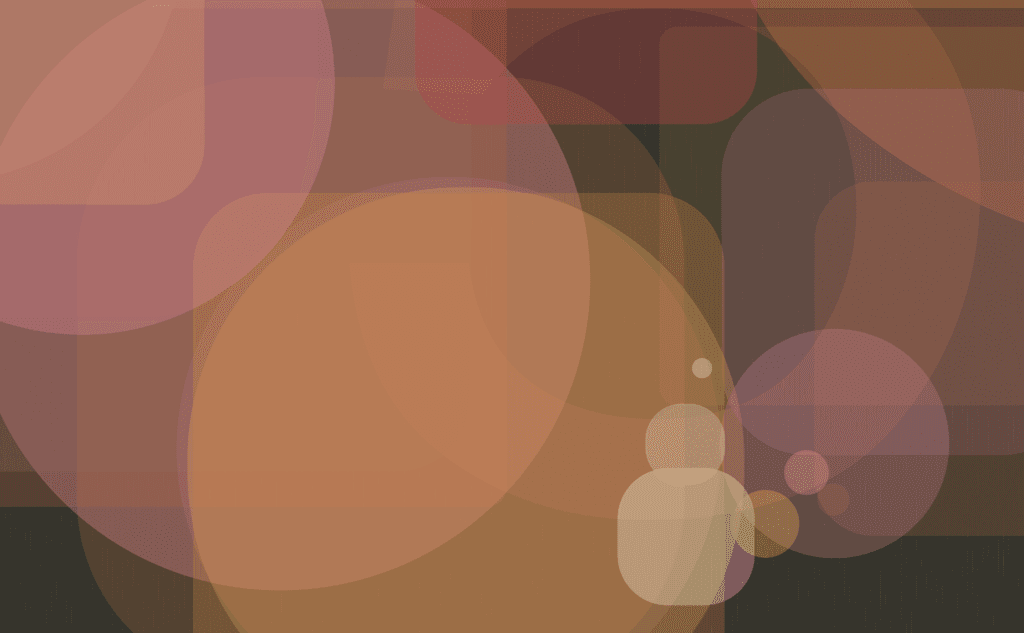
Light governs how primitives and colors interact. errare's light values range from opaque (10%) to translucent (10%) and transparent (80%).

vibe
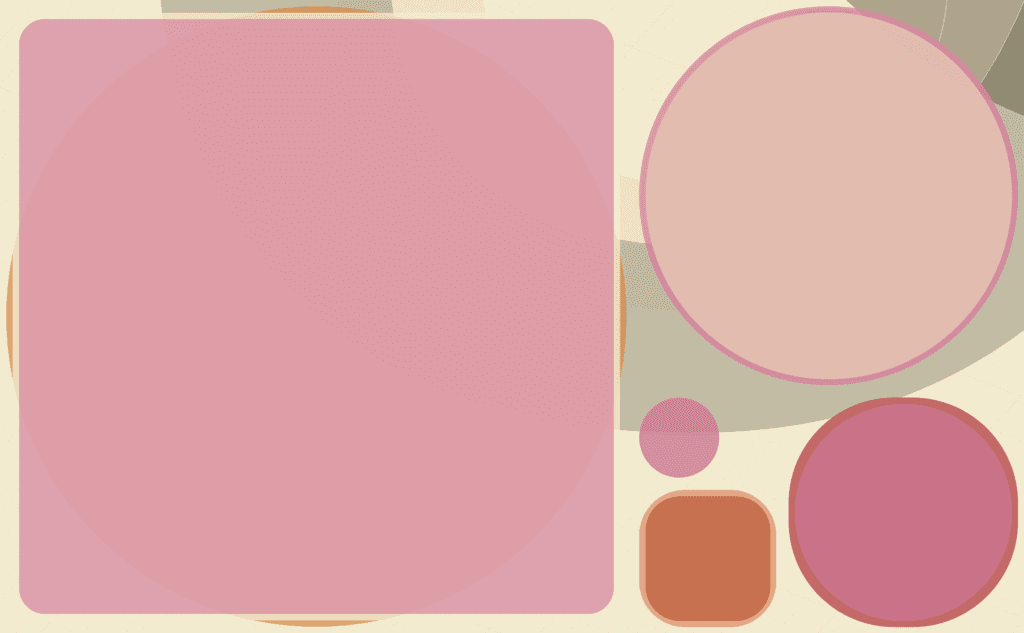
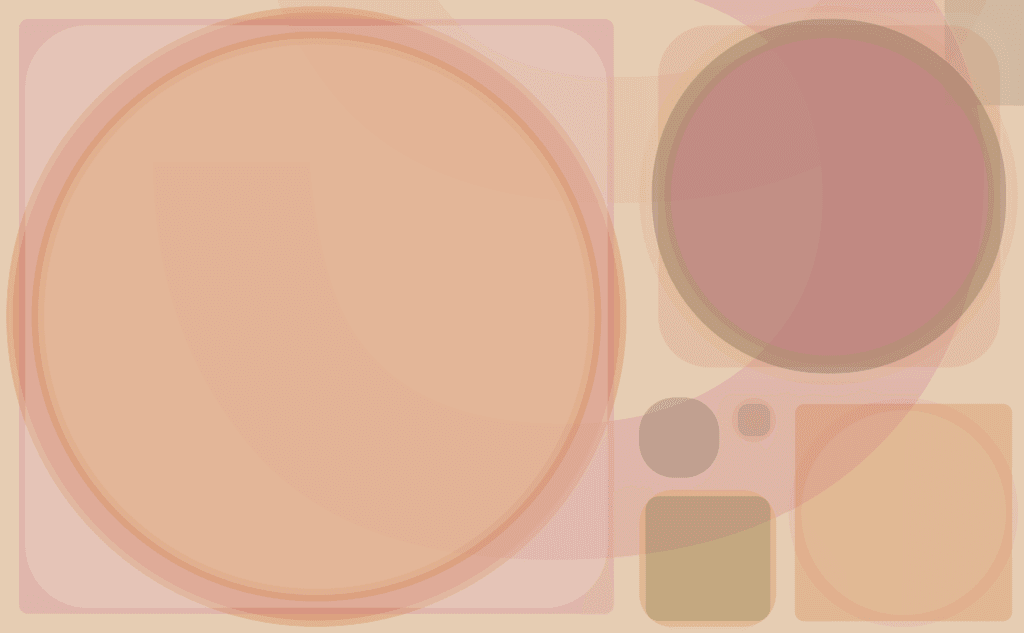
The vibe sets how many primitives each structural section produces: low flow (70%) is the standard, ninja (25%) halves it, and 11 (5%) multiplies it by ten.
"These go to eleven."
- Nigel Tufnel, This Is Spinal Tap
entropy
Entropy is structural deviation. Chill (70%) aligns every primitive strictly with the defined structure, groove (10%) allows slight deviations, and meltdown (20%) is just as it sounds.
universe
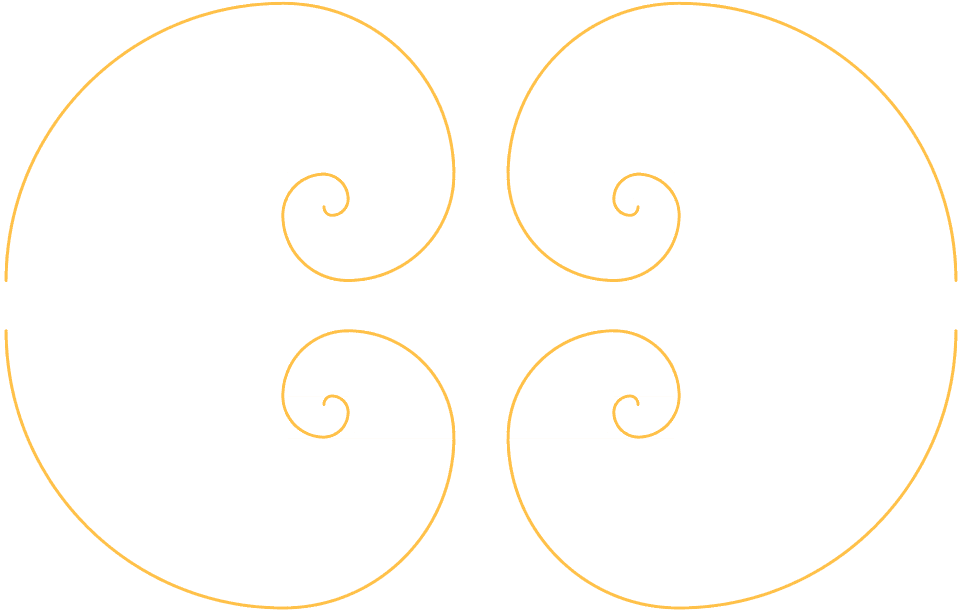
Every outcome falls into one of four universes: parallel (40%) sets the standard for the algorithm; mirror (20%), otherside (20%), and bizarro (20%) are the equally weighted alternatives.
prints
Archival pigment prints are available on request.